

Actinium - Ac
Chemical properties of actinium
| Atomic number | 89 |
|---|---|
| Representative mass number | 227 (Ac-227; radioactive) |
| Electron configuration | [Rn] 6d1 7s2 |
| Density | About 10 g/cm3 |
| Melting point | 1,050 °C |
| Boiling point | About 3,200 °C |
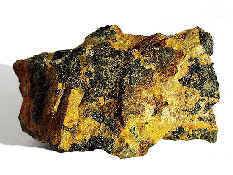
Actinium (Ac) is a radioactive actinide with atomic number 89. Actinium-227 is the longest-lived naturally occurring isotope, with a half-life of about 21.77 years. Trace amounts occur in uranium ores; actinium used for research is generally produced by nuclear reactions. The metal is silvery, but its intense radioactivity can cause nearby materials and air to glow blue.
Uses and occurrence
Actinium has no broad industrial use. Specific isotopes, particularly actinium-225, are studied for targeted alpha radiotherapy, and actinium isotopes are used in scientific research. These specialised applications do not make actinium a water-treatment chemical.
Health and environmental context
Actinium is radioactive and has no known biological role. It is present naturally only at trace levels, while research and medical uses are controlled applications. Its relevance to water engineering is limited to radiological monitoring where a source-specific assessment identifies it; this page does not provide handling or remediation instructions.
Back to the periodic table of elements.
Sources and further reading
Actinium page last reviewed: by Lenntech.