

Radium - Ra
Chemical properties of radium
| Atomic number | 88 |
|---|---|
| Representative mass number | 226 (Ra-226; radioactive) |
| Electron configuration | [Rn] 7s2 |
| Density | About 5 g/cm3 |
| Melting point | 696 °C |
| Boiling point | About 1,500 °C |
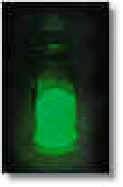
Radium (Ra) is a radioactive alkaline-earth metal with atomic number 88. It has no stable isotopes; radium-226 is the commonly cited representative isotope and has a half-life of about 1,600 years. Radium occurs naturally in trace amounts in uranium- and thorium-bearing rocks as part of their decay chains. In groundwater, dissolved radium is commonly present as Ra2+.
Uses and occurrence
Radium has few uses because of its radioactivity. Historically it was used in luminous paint; radium-223 also has a specialised medical use. It is not used as a water-treatment chemical.
Radium in water treatment
Radium can occur in groundwater and may require radionuclide-specific testing. Treatment options used for radium include strong-acid cation exchange, reverse osmosis, and lime softening or precipitation. Performance depends on water chemistry and operating conditions. Treatment can concentrate radioactivity in spent media, brine, sludge, or membrane concentrate, so residuals need appropriate assessment and management. Confirm performance with representative feed- and treated-water testing and applicable local requirements.
Health and environmental context
Radium is radioactive and can be a health concern when ingested in drinking water at elevated levels. Radium in source water is usually associated with natural mineral decay, though mining and other activities can affect local concentrations. Testing, treatment selection, and residual management should be based on the specific radionuclides and water chemistry.
Back to the periodic table of elements.
Sources and further reading
Radium page last reviewed: by Lenntech.